I make sure that I am up front and honest about the fact that I am still very new to this whole teaching thing. In fact I have only been doing it since August of 2023. So as of writing this post, that means I am just now finishing up my fourth month. So, I feel as though this might be a post that I update frequently as I know I am bound to learn more things the longer that I do this.
- When older teachers give you advice, you should actually listen to it.
If you have already started teaching, then you have probably had some golden advice given to you that you have then gone on to ignore. Was it the best idea to just file away the advice that was given to me without acting on it? Nope. These teachers who gave me advice were trying to help me break the cycle that I am sure we are all guilty of. We all think that even though we have never met the kids at whatever school we are about to teach at, we are going to prove that things can be done differently with no regard to any advice given. Yeah, there is a reason why these old heads are giving you advice. They want to see you make it to the end of the year without having a breakdown.
2. Discipline has to come before you can impact anyone’s life

Speaking of that advice that was given to me that I ignored, let’s start with this one. When my teacher next door told me that I had to come in hard with the discipline for the first couple of weeks before letting go of the leash a little bit, I thought that she just didn’t know how to talk to kids. I mean none of the classes I was ever in were so bad that there had to be an institutionalized setting with strict rules and absolute authority. But, there were a couple of things wrong with my mindset. Number one, this wasn’t the affluent suburban school that I went to back in the early 2000s. Number two, she wasn’t talking about institutionalizing these kids, she was talking about setting a tone.
3. It is important to take a look at the standards from your principal/state
When I was growing up, I had never heard about the state academic standards for teaching. Even if I had, I probably would have assumed that you meant that a 70 or above means that you get to play football. But what it really means is that there are certain things that your state/district wants you to cover within your subject area. When you lesson plan for the week, you have to cite what standard(s) it is that you are covering. It also gives you a good guideline of how much stuff you are expected to cover throughout the year. Why is that important might you ask? So you don’t end up wishing that you knew the next thing that I learned the hard way.
4. Find out where your kids are early on in the year + where you have to go
What I mean by this is to make sure that you aren’t just assuming that you can pick up on whatever the first standard is for this year, believing that your kids are going to know exactly what is going on. One thing that I have come to realize in a few short months is that a lot of these kids are behind where the standards believe that they should be, especially if your state like mine has recently shifted standards around a little bit. So I would say first ask the kids what they have learned last year, and then what I did was set aside two weeks for a crash course to both see with your own eyes where they are at and to also get them caught up to where they need to be.

5. Learn how to backwards plan while still being flexible
For those of you who are lost on what it is that I mean by backwards planning it is actually quite simple; figure out where your end goal is, and then start working backwards in order to figure out what steps you need to take and at what pace you need to work at in order to get there. This skill takes some practice in order to get it right but it is invaluable once you develop it fully. Now, even though you may know exactly where you want to go, and figured out what pace you need to work at in order to get there, you also have to develop flexibility. I teach middle school Social Studies, so there are certain things that I have no control over such as pep rallies or state testing. When these things happen I have learned that I need to leave some flexibility in order to keep all of my classes at the same pace
6. Lessons don’t take up as much time as you think they will
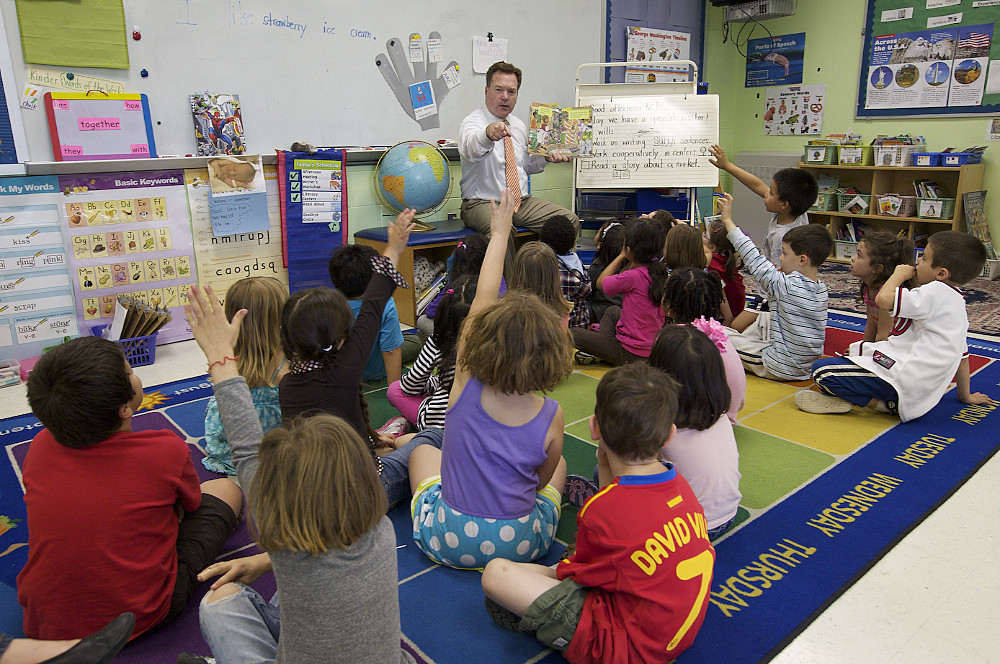
The biggest mistake that I made that I still run into 4 months later, is the fact that I come up with a lesson plan that I believe will take up all 52 minutes of my class period and 25 minutes into the period, I have run out of slides, lectures, questions etc. This is a problem that I am still trying to master, but the best advice I can give is whenever you are first starting out, whatever you think will take a whole class period.. go in twice as much depth and you will more often than not have a full class period worth of lesson planning.
7. Ask for help from your mentor teacher or principal
I am not sure if everyone is as fortunate as I am in being assigned a senior teacher as your mentor, but even if you’re not there are always great mentor teachers willing and waiting to help us newbies be successful. When I say ask for help, I don’t just mean with lesson planning or preparing for your first observation, but even as a sounding board when you are having trouble with a certain student or just overall frustration they can give you an honest and usually wise outlook.
8. Your first observation is not as scary as you make it
Whenever I started teaching back in August, I only had two days to clean my classroom, set up my desks how I thought would be best, and come up with a lesson plan. The last thing that I was worried about was my first observation. To be honest I was just trying to survive. Well, jump ahead a couple of months and all of a sudden I have an email in my inbox from my principal asking me to give her a couple of options for what days I would like my official observation to take place. Needless to say panic ensued. I knew that I was doing fine as all of my senior teachers in my hallway said that the kids love me, and that they have heard nothing but good things from them about my class, but that did not stop me from spiraling a little bit. The day had finally come for my observation, and my principal took her place at the back of my class. After about 30 minutes she simply gets up and walks out the door. I feel like this encounter deserves its own post which I can go into greater detail later, but then I got my scores back. I did fine. Nothing on my scoresheet said that I was not fit to be a teacher, and honestly all of the feedback had a positive tone to it with tips on how I can improve the good things I was already doing. Turns out, I was making it much scarier in my head than it really was. So, take a breath and realize that your principal is simply doing their job by ensuring that you are doing yours. If you need help preparing for your first observation remember tip no. 7, ask your mentor teacher for help.
9. Use your lesson planning period for lesson planning… and resetting
Even though it is called a lesson planning period, it doesn’t mean that is the only thing that this time can be used for. I am not saying that if all you do during this period is lesson planning that you are doing it wrong, but if there are some days that are tougher than others, it is totally okay to use this period to take a break and reset your mindset. Most days I will try my best to use the first 20 minutes of my free period for lesson planning or other school related tasks, but I will also use about 30 minutes to just sit in quiet scrolling through social media or watch a quick YouTube video. None of us are perfect, and I dare say that no one truly expects you to be 100% engaged all the time. If you need to talk to another adult, or take some time for yourself in order to keep your sanity go for it. I am not saying to break any rules that your school district may have, but what I am saying is be kind to yourself. But, do make sure that you at least use some of this time for lesson planning so that you aren’t having to take your work home with you.
10. It does get easier over time
I have only been doing this teaching thing for a short time. But, the one thing that I can say is that the stress and tension I was feeling at week 2 seems like a lifetime ago. You will eventually get into a groove not only with the kids, but also with figuring out how deep into the material you can/need to go. Also, if you are anything like me, imposter syndrome is a real thing for you. I felt as though throughout the fist month or two everyone would figure out that I was not fit to be a teacher, or that they were going to fire me because the kids aren’t learning enough. But as time goes on I realize that these kids are learning what I am teaching, and that I am my own worst critic. So just bear with it and trust the process. Eventually you will start to feel like an important part of the team and realize that you are a better teacher than your inner voice wants you to believe.
I hope that this list of things that I have learned so far as a teacher truly helps you feel more comfortable and confident. We need more educators that truly care and the fact that you have made it this far shows that that is exactly who you are. If you have any questions, comments or concerns please don’t hesitate to ask. You got this!
 TheTeacherGuy.com
Leave a comment